
9 Common Lawn Problems And How To Fix Them
In this guide, we are going to tackle 9 common lawn problems head-on and uncover the secrets on how to fix these issues, to enable you to have healthy and beautiful turf.
Maintaining your lawn can sometimes be a challenge, with various issues popping up along the way.
We’ll address a range of common lawn problems, from dealing with weeds that seem to pop up out of nowhere to finding solutions for flooding that leaves your grass underwater.
Are you struggling with patchy areas ruining the overall look of your lawn? Don’t worry, we’ll explore ways to care for your lawn and bring back that seamless green carpet.
Is your lawn looking pale and lacklustre, yearning for a revival? We’ve got you covered with tips and tricks to restore its vibrancy.
And if pesky moss and weeds are causing headaches, fear not, as we’ll share methods to regain control.
So get ready to unleash your inner landscape virtuoso, as we embark on a quest to identify common lawn problems and how to fix them.
Let’s dive in!
Common Lawn Problems and How to Fix Them
Lawn Problem #1: Poor Growth in the Shade

Shade is nature’s own cooling canopy, providing respite from the scorching sun. But alas, its nurturing embrace can be a double-edged sword when it comes to our beloved lawns.
If you find yourself wrestling with lacklustre growth in the shadowy corners of your yard, fear not! We’re about to shed some light on this perplexing problem.
Shade-related challenges are like a dance with Mother Nature, where finding the right rhythm is key to nurturing your grass to its full potential.
One of the primary culprits behind poor growth in shaded areas is, you guessed it, a lack of sunlight.
When those sunbeams can’t quite reach your lawn, the grass begins to feel a little left out of the photosynthesis party.
But worry not, for there are ways to outsmart this shady situation!
Types Of Shade
First and foremost, let’s get to know the different types of shade. Not all shade is created equal.
Understanding whether your lawn faces light, moderate, or deep shade is crucial to devising the perfect plan of action.
- Light Shade: In light shade, where sunlight filters through the branches, you may have some luck with certain shade-tolerant grass varieties. Fine fescue and creeping bent grass are two contenders that can handle these gentle shadows with grace.
- Deep Shade: But if you’re dealing with deeper shade, where even grass struggles to thrive, it’s time to explore alternative ground covers or embrace the natural beauty of woodland plants.
Solutions
Shade mitigation techniques are here to save the day. You can strategically prune surrounding trees to allow more sunlight to seep through, creating pockets of radiant lawn amidst the shadows.
Additionally, consider lightening the load of tree roots with aeration, allowing your grass to breathe and grow.
Oh, and let’s not forget about the art of proper watering. Shaded areas tend to retain more moisture, so beware of overwatering, which can suffocate your grass and invite mouldy guests to the party.
Aim for a delicate balance, providing just the right amount of hydration to keep your lawn happy.
So there you have it, intrepid gardeners! With a dash of know-how and a pinch of perseverance, you can conquer the challenge of poor growth in the shade and transform those shadowy patches into vibrant, green sanctuaries.
Lawn Problem #2: Flooding Issues

When mother nature decides to unleash her watery fury upon your once-pristine lawn, it can leave you feeling like you’re navigating an unexpected waterworld adventure.
Fear not, for we’re diving headfirst into the depths of flooding issues to help you reclaim your land from the aquatic invaders.
Picture this: the skies open up, and torrents of rain pour down like a cascading waterfall, transforming your lawn into a temporary pond.
While a little rain is a blessing for thirsty grass, excessive water can wreak havoc on your turf, turning it into a waterlogged mess.
Solutions
The key to combating flooding issues lies in the art of proper drainage.
Let’s begin by identifying the villains behind the waterlogging. Poor drainage is often the chief culprit, causing water to accumulate instead of making a swift exit.
So, it’s time to become a drainage detective and assess the lay of the land. Look out for low-lying areas or depressions where water tends to pool. These are the prime suspects that require immediate attention.
- Gentle Slopes: One of the simplest solutions to tackle flooding woes is to incorporate gentle slopes into your landscape design. By grading the terrain away from your lawn, water will naturally find its way to other areas, sparing your precious turf from the underwater escapades.
- Strategic Landscaping: Don’t underestimate the power of strategic landscaping. Planting trees, shrubs, or bushes around your lawn can act as nature’s sponges, soaking up excess water and reducing flooding risks. It’s like having a green defence system against those pesky floods.
- Gutter System: Let’s not forget about the unsung hero of lawn care – the humble yet mighty gutter system. Ensuring your gutters are clean and free from clogs is a game-changer in directing rainwater away from your lawn. A well-maintained gutter can be the difference between a waterlogged lawn and a well-drained paradise.
For those seeking a more sophisticated solution, consider installing French drains or underground drainage systems. These underground marvels silently whisk water away, leaving your lawn high and dry.
But remember, prevention is always better than cure! Regular lawn aeration promotes healthy root growth and better water absorption, reducing the chances of flooding in the first place.
So there you have it – your flood-fighting arsenal to defend your lawn from the deluge.
Lawn Problem #3: Persistent Patchy Areas

These enigmatic bare spots that seem to play hide-and-seek with our green ambitions can leave us scratching our heads in bewilderment.
But fear not, for we are here to unravel the secrets behind these vexing patches and breathe new life into your turf!
Diagnosis
First things first – diagnosing the cause. These patches can be the result of a variety of culprits, so identifying the true villain is essential.
One of the prime suspects is compacted soil, which hampers grass growth and leaves behind those dreaded bald spots.
The soil’s compaction puts a stranglehold on root development, making it challenging for grass to spread its green wings.
Poor irrigation practices can also be lurking in the shadows, causing some areas to drown while others remain thirsty for hydration.
It’s like a hydration seesaw, and your lawn is caught in the middle.
And let’s not forget about the elusive invaders – pests and diseases.
These sneaky culprits can wreak havoc on your turf, leaving behind scars of their presence in the form of patchy destruction.
Lawn pests like grubs and insects, or diseases like brown patch and dollar spot, can leave your grass feeling like it’s under siege.
Solutions
We have an arsenal of solutions to reclaim your lawn’s uniformity and turn those patches into a distant memory.
- Aeration: Loosening compacted soil through aeration allows your grass roots to breathe and stretch, promoting better nutrient absorption and overall health. It’s like a refreshing spa day for your lawn!
- Fertilisation Regimen: And speaking of nutrients, a well-balanced fertilisation regimen can work wonders in nurturing your grass back to its full potential. Think of it as a gourmet feast for your lawn, delivering the essential nutrients it craves to thrive.
- Overseeding: Let’s not overlook the art of overseeding. Introducing new grass seed to those patchy areas can infuse fresh life into your lawn, filling in the gaps and creating a tapestry of green perfection.
Remember, timing is everything! Addressing patchy areas in the growing season gives your grass the best chance of bouncing back and reclaiming its rightful spot in the lawn ensemble.
So there you have it – your guide to tackling those persistent patchy areas, to maintain healthy grass like a pro!
Lawn Problem #4: Pale and Lacklustre Grass

The quest for a vibrant and exuberant lawn! But what do we find instead? A lacklustre canvas of pale, uninspired grass that leaves us yearning for that lush, green dream.
Fear not, for we hold the keys to unlocking the secrets behind reviving your lawn’s radiance and bringing back its colour crescendo!
Picture this: a lawn that once gleamed with verdant brilliance, now seemingly faded and dull. But worry not, fellow gardeners, for we are about to embark on a journey to restore the lost vibrancy of your turf.
Pale grass is often a tell-tale sign of underlying issues that warrant our attention. The chief suspect? None other than a nutrient deficiency.
When your lawn lacks the essential building blocks for growth, it’s like a symphony without its musicians – a far cry from the harmonious green melody you desire.
Solutions
So, let’s delve into the nutrient realm and unlock the secret behind those lush hues.
- Fertilisation Regimen: Nitrogen, phosphorus, potassium, and iron – these are the elemental superheroes your grass craves. A well-balanced fertilisation regimen, tailored to your lawn’s needs, can be the elixir of life for your fading turf.
- The Sun: But wait, there’s more! The sun’s dance with your lawn plays a significant role in this colour conundrum. If your grass is spending too much time in the shade, its photosynthesis party might be dampened, leaving it yearning for more light.
Pro tip: A little strategic pruning to let the sunshine in can work wonders for your lawn’s colour revival. Just imagine your grass basking in the sun’s loving embrace, soaking up its rays like a rejuvenating spa session!
- Compacted Soil: When your lawn’s soil becomes a tightly knit network, it becomes more challenging for your grass roots to explore and absorb nutrients, resulting in a faded facade. Enter the aerator! This trusty tool will loosen up the soil, providing your grass with room to breathe and grow, like a sigh of relief after a long day.
- Watering: Oh, and don’t forget the power of a good drink! No, we’re not talking about lemonade – it’s all about proper watering. Consistent and deep watering encourages your grass to stretch its roots and dive deep into the soil, sipping up those nutrients like a refreshing drink.
So, there you have it, the secrets to rejuvenating pale and lacklustre grass into a verdant masterpiece.
With the right nutrients, some sunshine love, and a little aeration therapy, your lawn will sing with vibrancy once more.
Lawn Problem #5: Moss and Weed Infestation
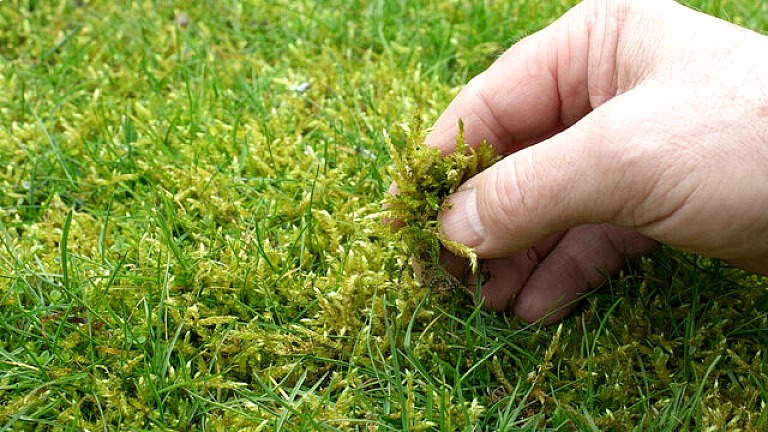
Moss and weeds, like uninvited guests, can crash your lawn party and leave you yearning for a weed-free utopia.
Fear not, for we are armed with the knowledge and tactics to reclaim your turf and restore its verdant glory!
Moss
Let’s address the first formidable foe, moss. This mysterious, velvety green invader thrives in damp and shaded areas, making it a persistent adversary.
But fear not, for there’s a silver lining! Moss is like nature’s messenger, signalling underlying soil and drainage issues that need our attention.
- Drainage & Sunlight: To bid farewell to moss, we must first address its preferred habitats. Improving lawn drainage and increasing sunlight exposure through strategic pruning can be a knockout combo.
- Soil pH Balance: The pH balance of your soil also plays a pivotal role in the moss-elimination dance. Adjusting the soil’s pH to a less acidic environment is like sending an eviction notice to the moss, making it less welcome in your lawn’s territory.
Weeds
Now, let’s set our sights on audacious lawn weed, sprouting like wildfire and stealing your grass’s spotlight. But worry not, for we have a range of strategies to keep those pesky invaders at bay.
Prevention is the name of the game! A thick, healthy lawn serves as a natural defence against lawn weed invasion.
- Regular Mowing: Regular mowing and proper fertilisation promote grass growth, leaving little room for weeds to take root.
- Mulch: And let’s not forget the power of mulch! Applying organic mulch around your flower beds and garden borders is like building a protective wall against weed intrusion. It’s like your lawn’s fortress, defending against the enemy’s advances.
- Hand Weeding: But if the weeds persist, it’s time to don your gloves and engage in some hand-to-weed combat. A little old-fashioned hand weeding can be therapeutic, allowing you to pluck those intruders from the ground and show them who’s boss.
- Herbicides: And for those who prefer a hands-off approach, fear not, for the arsenal of herbicides is at your disposal. Selective herbicides target the weeds while leaving your grass unscathed, like a precision strike against the enemy.
So there you have it – your guide to vanquishing moss and weeds from your lawn and reclaiming its green splendour.
With proper drainage, a pH dance, and a dash of prevention and combat, your lawn will emerge victorious in the battle against the green invaders.
Lawn Problem #6: Dealing with Thatch

Thatch, that mysterious layer of intertwined organic matter, can be both a friend and a foe to your lawn.
But fear not, for we are here to unravel the complexities of thatch and equip you with the knowledge to strike the perfect balance for a healthy, thriving turf.
Thatch is a natural accumulation of dead grass clippings, roots, and stems that form a protective blanket above the soil.
In moderation, it can be beneficial, serving as a shield against temperature fluctuations and conserving moisture. But when this organic layer becomes too thick, it transforms into a villain that wreaks havoc on your lawn.
Prevention
So, how do you strike that perfect balance? Let’s start with prevention!
- Regular Lawn Maintenance: Regular lawn maintenance, such as proper mowing and aeration, plays a pivotal role in keeping thatch in check. Mowing at the right height and frequency prevents excessive grass clippings from piling up, reducing thatch build-up like a pro.
- Aeration: Let’s not forget the power of aeration – a breath of fresh air for your lawn! Aeration pokes tiny holes in the soil, promoting oxygen flow to the grassroots and discouraging thatch accumulation.
Solution
But what if you find yourself facing a thatch conundrum? Fear not, for we have the tools to tackle this tangle.
- Dethatching: Like a gentle comb through your lawn’s hair, removes the excess thatch and frees your grass from its clutches.
- Fertilisation: But wait, there’s more! Don’t forget to feed your lawn’s appetite for the right nutrients. Proper fertilisation encourages microbial activity in the soil, aiding in the decomposition of thatch. It’s like inviting a cleaning crew to declutter your lawn’s hidden corners.
- Topdressing (Compost): Now, here’s a secret weapon: the power of topdressing. Applying a thin layer of compost or topsoil to your lawn enhances microbial activity, promoting thatch decomposition like a natural recycling program. But as always, moderation is key! Avoid excessive topdressing, as too much of a good thing can create new problems.
So there you have it – your guide to dealing with thatch like a turf pro! Embrace the art of prevention, dethatching when needed, and the magic of topdressing to keep thatch at bay.
With these strategies in your toolkit, your lawn will stand tall and thrive, free from the tangles of excessive thatch.
Lawn Problem #7: Pest Management

Welcome to the battleground of lawn defenders! Pests, those pesky intruders, can turn your once-idyllic lawn into a battlefield. But fear not, for we are the guardians of your turf, armed with knowledge and strategies to ward off these unwanted guests.
Picture this: a thriving lawn, a symphony of green, but lurking beneath the surface are pests on a mission to wreak havoc. So, let’s delve into the world of pest management and unveil the tactics to protect your lawn’s serenity.
Pest Identification
First and foremost, let’s identify the enemy! From grubs to insects and critters of all sizes, understanding your opponents is crucial in the battle against pests. Once we know our foes, we can devise targeted approaches for their defeat.
- White Grubs (Scarab Beetle Larvae): These C-shaped, cream-colored larvae feast on grassroots, causing brown patches in your lawn. To identify them, look for irregularly shaped dead patches that can be lifted like a loose carpet due to damaged roots.
- Chinch Bugs: These small, black-bodied insects with white wings prefer hot, dry conditions. Chinch bugs suck sap from grass, causing yellow or brown patches. Look for sunken, straw-coloured areas surrounded by green grass to spot them.
- Sod Webworms: The larvae of lawn moths, these caterpillar-like pests chew on grass blades, leaving behind irregular, brown, or bare patches. You might also notice small, silken tubes or moths flying low over your lawn.
- Armyworms: These hungry caterpillars can devour your grass quickly. They have distinct stripes along their body and move in groups, hence the name “Armyworms.” Keep an eye out for damaged grass blades and their presence during late summer and fall.
- Cutworms: These nocturnal caterpillars sever young seedlings at ground level. You may find seedlings toppled over or partially eaten. Look for them at night or in the early morning.
- Mole Crickets: These burrowing insects have powerful front legs for digging. They feed on grassroots and leave behind raised tunnels and loose soil on the surface.
- Ants: While some ants are beneficial, others can disturb your lawn. Fire ants, in particular, can create unsightly mounds and deliver painful stings.
- Billbugs: Adult billbugs are small weevils that feed on grass blades. Their larvae, known as grubs, feed on grassroots, leading to brown patches.
- Aphids: These tiny, soft-bodied insects suck sap from grass, causing stunted growth and yellowing. Look for clusters of aphids on the grass blades.
- Ticks: Ticks can hide in tall grass and attach themselves to pets or humans, potentially transmitting diseases. Check yourself and your pets after spending time in grassy areas.
Prevention
But here’s the secret to our grub control success: eco-friendly warfare! Gone are the days of harsh chemicals and environmental harm.
Integrated Pest Management (IPM) is our ally, employing a multifaceted strategy that includes prevention, monitoring, and targeted treatments.
Prevention is the first line of defence. It’s like a shield that fortifies your lawn against the enemy’s advances.
Regular lawn maintenance, proper irrigation, and healthy soil are the building blocks of a robust defence system.
Oh, and let’s not overlook the power of biodiversity! Welcoming beneficial insects and wildlife to your lawn creates a natural ecosystem that keeps pest populations in check.
It’s like recruiting allies to patrol your turf.
But wait, there’s more! Vigilance is our watchword. Regular monitoring helps us spot potential pest invasions before they spiral out of control.
Early detection is key, allowing for swift and targeted interventions.
Solutions
Targeted treatments, like a precision strike, focus on specific areas, minimising environmental impact while maximising effectiveness.
And let’s not forget about the power of biological controls! Beneficial nematodes and microbial insecticides are like our secret weapons, taking down pests without harming beneficial organisms.
It’s all about striking the right balance – protecting your lawn while preserving the environment.
We are the guardians of the green, ensuring a harmonious coexistence between your lawn and nature’s diverse inhabitants.
So there you have it – your guide to pest management like a true lawn defender!
Embrace the principles of IPM, prevention, and targeted treatments to safeguard your turf from the relentless pest invasion. With these strategies at your disposal, your lawn will thrive, free from the clutches of unwanted intruders.
Lawn Problem #8: Confronting Diseases

Diseases, like stealthy infiltrators, can cast a shadow on your once-vibrant turf. But fear not, for we are here to unmask these green invaders and equip you with the knowledge to mount a formidable defence.
Picture this: a lush and healthy lawn, a testament to your hard work, but lurking beneath the surface are unseen threats – lawn diseases, ready to unleash their havoc.
So, let’s delve into the realm of lawn diseases and discover the strategies to confront and conquer them.
Identification Of Common Diseases
First and foremost, knowledge is power! Familiarising yourself with common lawn diseases is the first step in combating these sneaky foes.
From dollar spot to brown patch and powdery mildew, each disease has its unique characteristics and vulnerabilities.
Early detection is our secret weapon! Regular monitoring of your lawn’s health allows you to spot the first signs of trouble.
Keep an eagle eye out for discoloration, wilting, or unusual growth patterns – these may be the tell-tale signs of disease presence.
- Brown Patch (Rhizoctonia blight): This fungal disease creates circular, brown patches on your lawn, ranging from a few inches to several feet in diameter. The patches may have a darker ring along the outer edge, giving it a “smoke ring” appearance.
- Dollar Spot: Caused by the fungus Sclerotinia homoeocarpa, this disease forms small, silver-dollar-sized spots on grass blades. The spots may merge to create larger patches, and the affected blades may have distinct tan or bleached lesions.
- Powdery Mildew: This fungal disease creates a powdery white or grey coating on grass blades, often in shaded and humid areas. The affected grass may appear stunted and distorted.
- Fairy Rings: These mysterious circles appear as arcs or rings of dark green or dead grass. Fungal mycelium forms underground, affecting the grass’s ability to take up water, resulting in the distinctive circular patterns.
- Red Thread: This disease presents itself as red or pinkish threads on grass blades. The affected grass turns light tan or bleached in color, and you may notice patches of the disease in your lawn.
- Leaf Spot: Caused by various fungi, leaf spot creates small, oval lesions with dark borders on grass blades. As the disease progresses, the spots may merge, causing larger dead patches.
- Rust: Rust diseases manifest as orange, yellow, or reddish-brown powdery spores on grass blades. Severe infections can lead to thinning and weakening of the turf.
- Pythium Blight (Cottony Blight): This disease appears as irregular, greasy-looking patches of yellowish or brown grass. During moist conditions, you may see white, cottony growth on the grass blades.
- Necrotic Ring Spot: This disease forms circular patches of dead grass with green centres. It often affects cool-season grasses, and the affected patches may increase in size over time.
- Gray Leaf Spot: Common in humid conditions, this disease causes greyish spots with dark borders on grass blades. Severe infections can lead to thinning and weakening of the lawn.
Prevention
But wait, there’s more! Prevention is at the heart of our strategy. Just like a proactive shield, implementing good lawn care practices builds a robust defence against diseases.
- Proper mowing, irrigation, and fertilisation promote a healthy lawn that can resist disease attacks.
- Air circulation is our ally! Pruning trees and shrubs to encourage better airflow minimises conditions conducive to disease development. It’s like letting your lawn breathe freely and ward off potential threats.
Solutions
Now, if the disease decides to test our resolve, we must act swiftly!
Targeted treatments are our precision strikes against these green adversaries.
- Fungicides: Fungicides, when applied strategically, can curtail disease progression and protect your turf. But here’s the secret to our success: moderation and balance. Selective use of fungicides minimises environmental impact while effectively controlling disease outbreaks. It’s like a tactical approach that ensures both your lawn’s health and the well-being of the ecosystem.
- Fertilisation: Let’s not forget about nourishing your lawn’s immune system! Proper fertilisation and soil management promote strong roots and overall vigour, making your grass more resilient to disease pressure.
So there you have it – your guide to confronting lawn diseases like a seasoned defender!
Arm yourself with knowledge, embrace prevention, and be prepared to act decisively if the need arises.
With these strategies in your arsenal, your lawn will stand strong and flourish, free from the grip of menacing diseases.
Lawn Problem #9: Tackling Fungal Issues

Welcome to the fascinating world of fungi, where these mysterious organisms can turn your lawn into a battleground of green warfare!
Imagine a thriving lawn, a lush green carpet, but hidden beneath the surface are fungi, waiting to unleash their spore-filled might.
So, let’s embark on a journey into the realm of fungal issues and discover the strategies to tackle them head-on.
Fungi are opportunistic invaders, often targeting stressed or weakened grass.
But here’s the catch: fungal diseases are diverse, with various culprits causing different symptoms. From fairy rings to rust and leaf spot, each fungus has its unique approach to cause lawn mayhem.
Prevention
Early detection is our secret weapon! Regular inspections of your lawn enable you to spot the initial signs of fungal invasion.
Keep an eye out for discoloured patches, unusual growth patterns, or fuzzy, powdery coatings on grass blades.
Prevention is at the core of our strategy. Just like a shield against fungal assault, adopting good cultural practices builds a robust defence.
- Maintaining a robust and healthy lawn is our first line of defence. Proper watering, mowing, and fertilisation create an environment that’s less hospitable to these unwelcome guests.
- Avoid overwatering and watering in the evening, as these practices create a moisture-rich environment that fungi adore.
- Air circulation plays a crucial role! Prune trees and shrubs to ensure adequate airflow across your lawn, reducing the chances of moisture build-up and fungal proliferation.
Solution
If fungi manage to breach your defences, fear not, for we have the tools for the job.
- Fungicides: Fungicides act as our allies, delivering targeted strikes against fungal intruders. But remember, moderation and precision are key to minimise environmental impact.
- Organic Options: Let’s not overlook the power of organic options! Some fungal issues can be deterred by natural remedies, such as neem oil or compost tea, which create a less favourable environment for the fungi to thrive.
Implementing a proactive approach to lawn care, focusing on a healthy lawn environment, is the ultimate safeguard against fungal infestations.
So there you have it – your guide to tackling fungal issues like a turf whisperer!
Armed with knowledge, prevention, and targeted treatments, you can wage a successful battle against these sneaky invaders.
Your lawn will flourish, and you’ll stand victorious in the fight against fungal foes.
Frequently Asked Questions
How do I know what’s wrong with my lawn?
To uncover the mystery, observe your lawn closely! Look for discoloration, wilting, patchy areas, or unusual growth patterns. Check for pests, weeds, or signs of diseases. A little detective work will reveal the clues to solve the puzzle.
What are the signs of an unhealthy lawn?
An unhealthy lawn shows its distress through faded colour, thinning grass, bare patches, and poor growth. Keep an eye out for pests, weeds, and disease symptoms. Your lawn may be trying to communicate – listen closely!
Should you rake up grass?
Raking grass clippings is not always necessary. Leaving them on the lawn can add nutrients and act as natural mulch. However, if they clump or smother the grass, a light raking can help.
What month should I dethatch my lawn?
Timing is crucial! Dethatch warm-season grasses in late spring or early summer when they’re actively growing. For cool-season grasses, early fall is the ideal time. Strike while the iron is hot – or in this case, while the grass is thriving!
When should you aerate your lawn?
Aerating like a pro! For cool-season grasses, early autumn is perfect, as it allows roots to recover before winter. Warm-season grasses benefit from aeration in late spring when they’re at their peak growth.
Do hedgehogs damage lawns?
Hedgehogs typically don’t cause major damage to lawns. Their foraging might leave small holes, but they also munch on pesky insects. Embrace their presence and let them be your lawn’s little helpers!
Other Guides From Turfworld
Explore these valuable guides for additional insights and practical tips:
- How To Lay Turf: [An Ultimate Guide] – Click here to read the guide.
- How to Measure Your Lawn: A Comprehensive Guide – Click here to read the full guide.
- How to Aerate a Lawn – Click here to read the full guide.
- How To Seed A Lawn: An Easy Step-By-Step Guide – Click here to read the full guide.
Common Lawn Problems Conclusion
In the verdant voyage through the captivating guide of common lawn problems, we’ve explored an array of common lawn problems and their solutions.
From shade-induced poor growth to flooding woes, patchy areas, pale grass, moss and weed infestations, thatch challenges, and confronting diseases, we’ve navigated the landscape like seasoned explorers.
Remember, your lawn is a living canvas that responds to your care, devotion, and understanding.
By embracing the wonders of nature and applying the principles we’ve uncovered, your lawn will thrive, transforming into a captivating masterpiece.
Together, we’ll create a world of lush greenery, where your lawn stands as a testament to your passion and expertise.