
A beautiful lawn and a happy dog don’t have to be mutually exclusive — but anyone with pets knows it can sometimes feel that way. From worn paths to yellow patches, dogs can be tough on grass. The good news? With the right approach, you can keep your lawn healthy while still letting your pets enjoy it.
Here are some practical lawn care tips every pet owner should know.
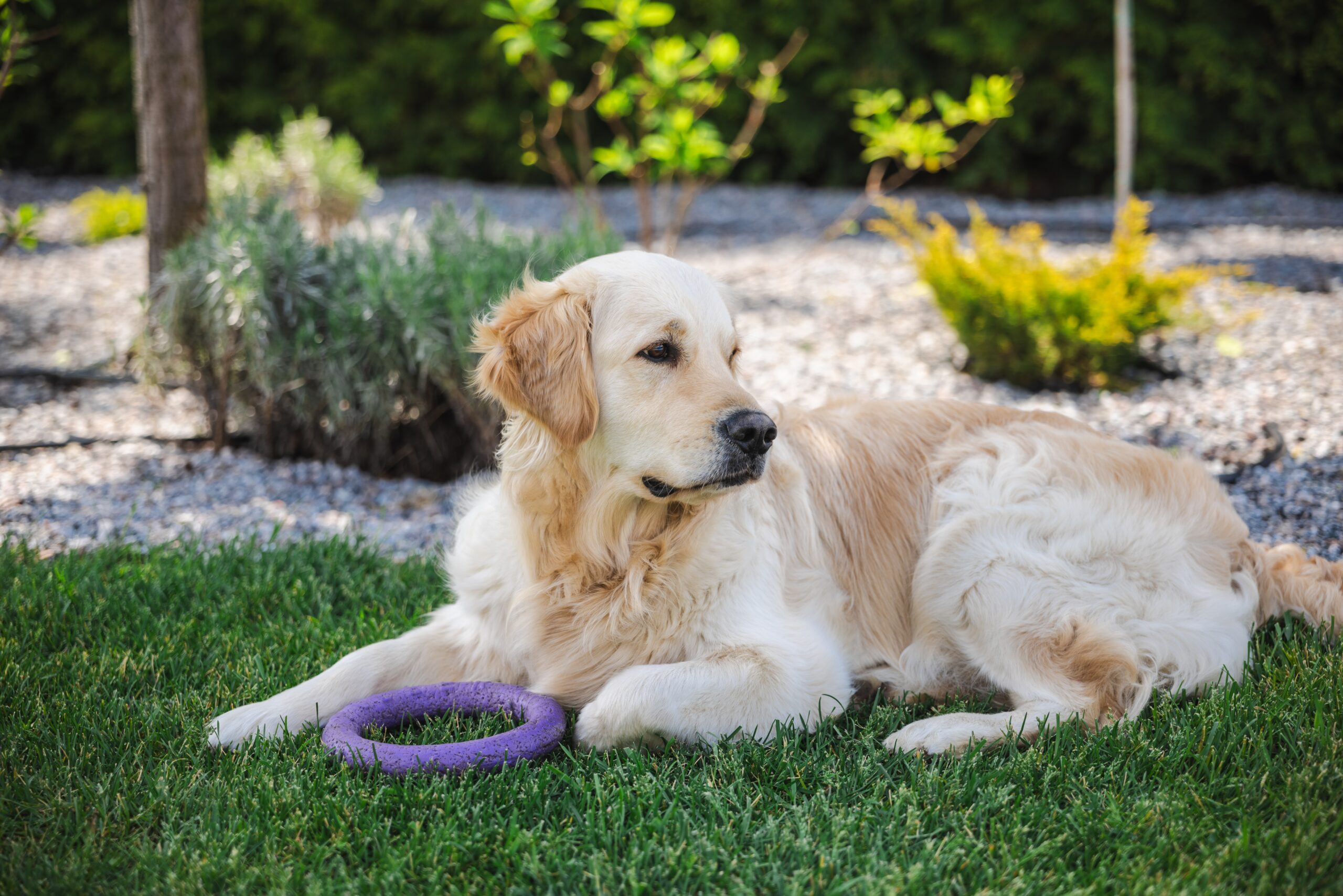
Understand Why Dog Urine Damages Grass
Dog urine contains high levels of nitrogen. In small amounts, nitrogen feeds grass — but concentrated patches can burn it, causing yellow or brown spots.
Encouraging your dog to use different areas of the garden helps spread the impact. Where possible, lightly watering affected areas shortly after use can dilute the concentration and reduce damage.
Tip: Female dogs often cause more visible spotting simply due to how urine is deposited — it’s normal and manageable.
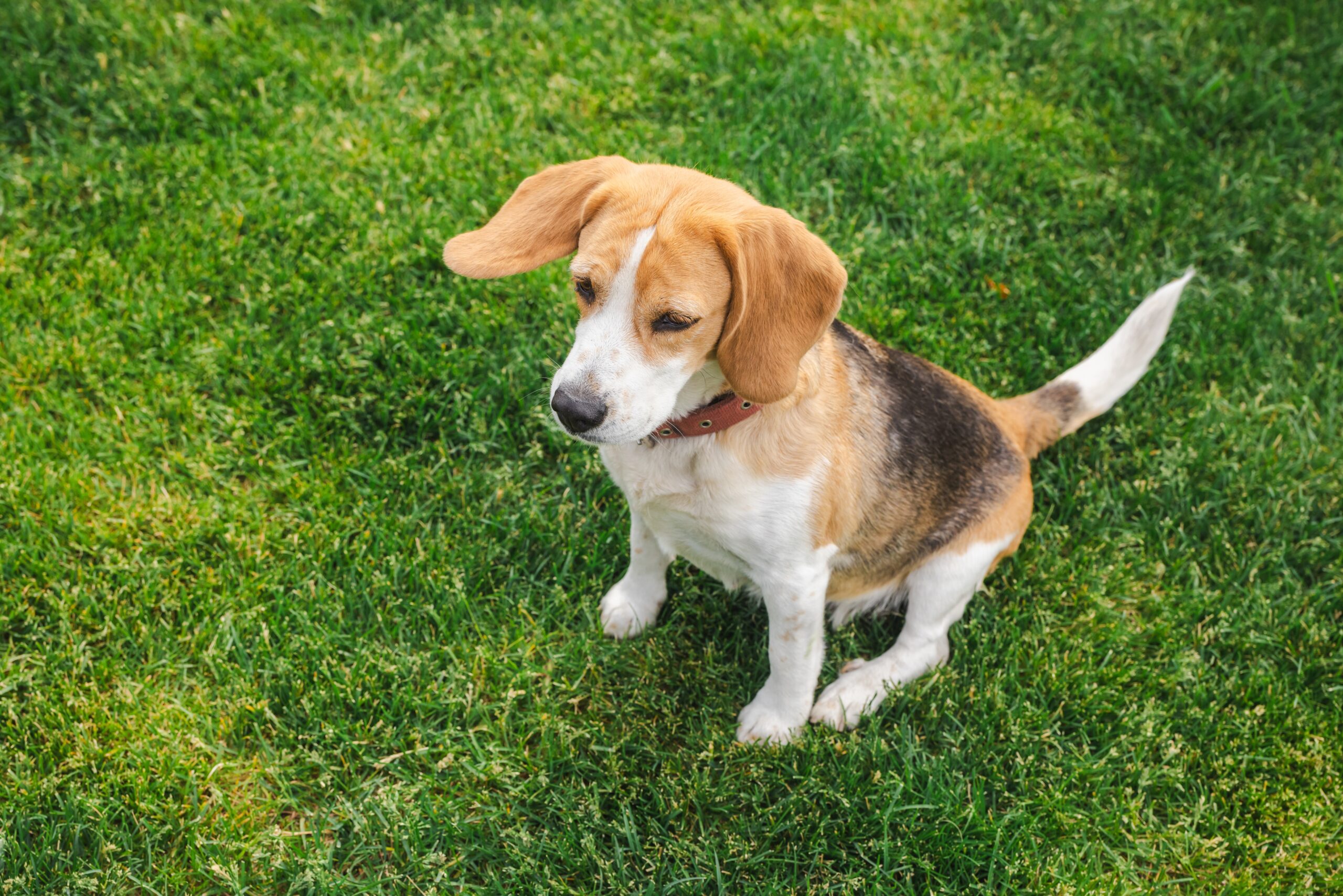
Choose Hard-Wearing Grass Varieties
Not all grass is created equal, especially for gardens with dogs.
Hard-wearing turf blends are designed to recover faster from wear and tear, making them ideal for active pets. These grasses develop stronger roots and better tolerance to traffic, helping the lawn bounce back after playtime. TurfWorld’s Emerald Turf is a fantastic option with it’s hard wearing blend of ryegrass and fescues reducing the impact of paw-induced damage.
Tip: Avoid ornamental or fine lawn grasses — they struggle under regular paw traffic.
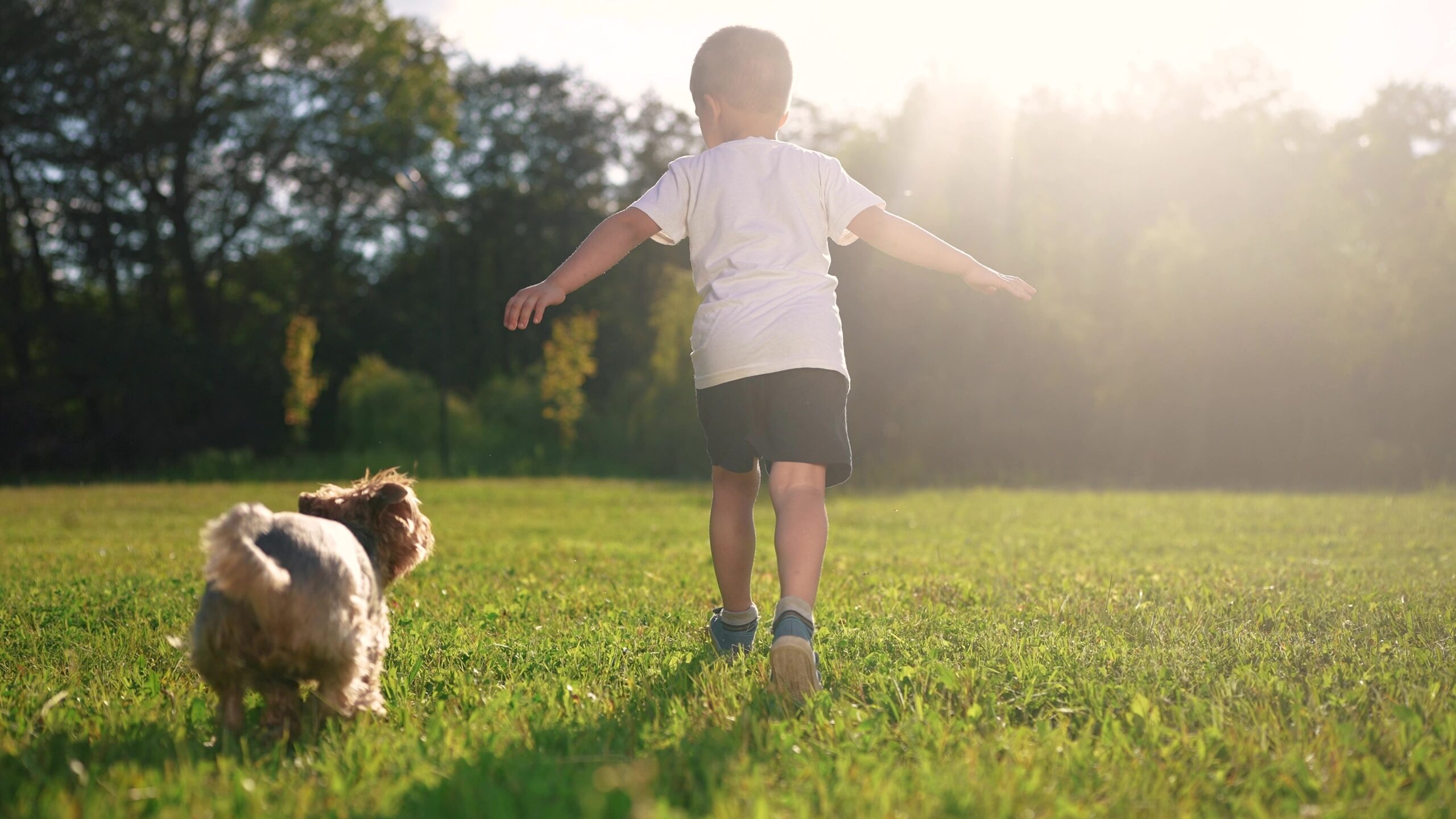
Mow a Little Higher Than Normal
Short grass may look tidy, but it’s far less resilient.
Keeping your lawn slightly longer helps cushion paw traffic, protects roots, and improves recovery from damage. Longer blades also shade the soil, helping retain moisture and reducing stress during warmer weather.
Rule of thumb: Never remove more than one third of the grass height in a single cut.
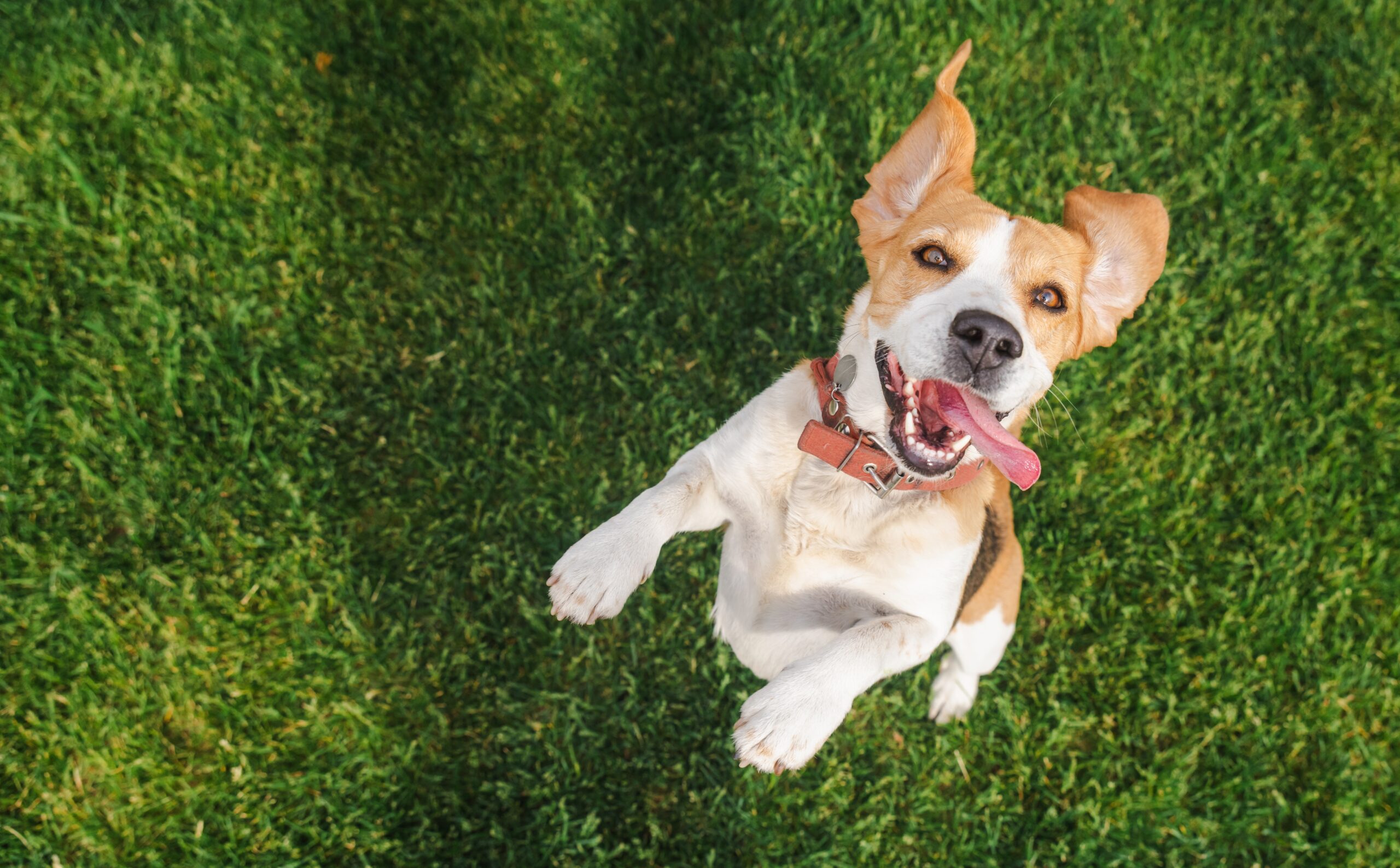
Repair Damage Early
Bare patches caused by running routes or frequent play are easier to fix when caught early.
Lightly rake worn areas, add a thin layer of topsoil, and overseed where necessary. Acting quickly prevents soil compaction and stops weeds from taking hold.
Tip: Rotate play areas or place toys in different spots to avoid repeated wear in one location.
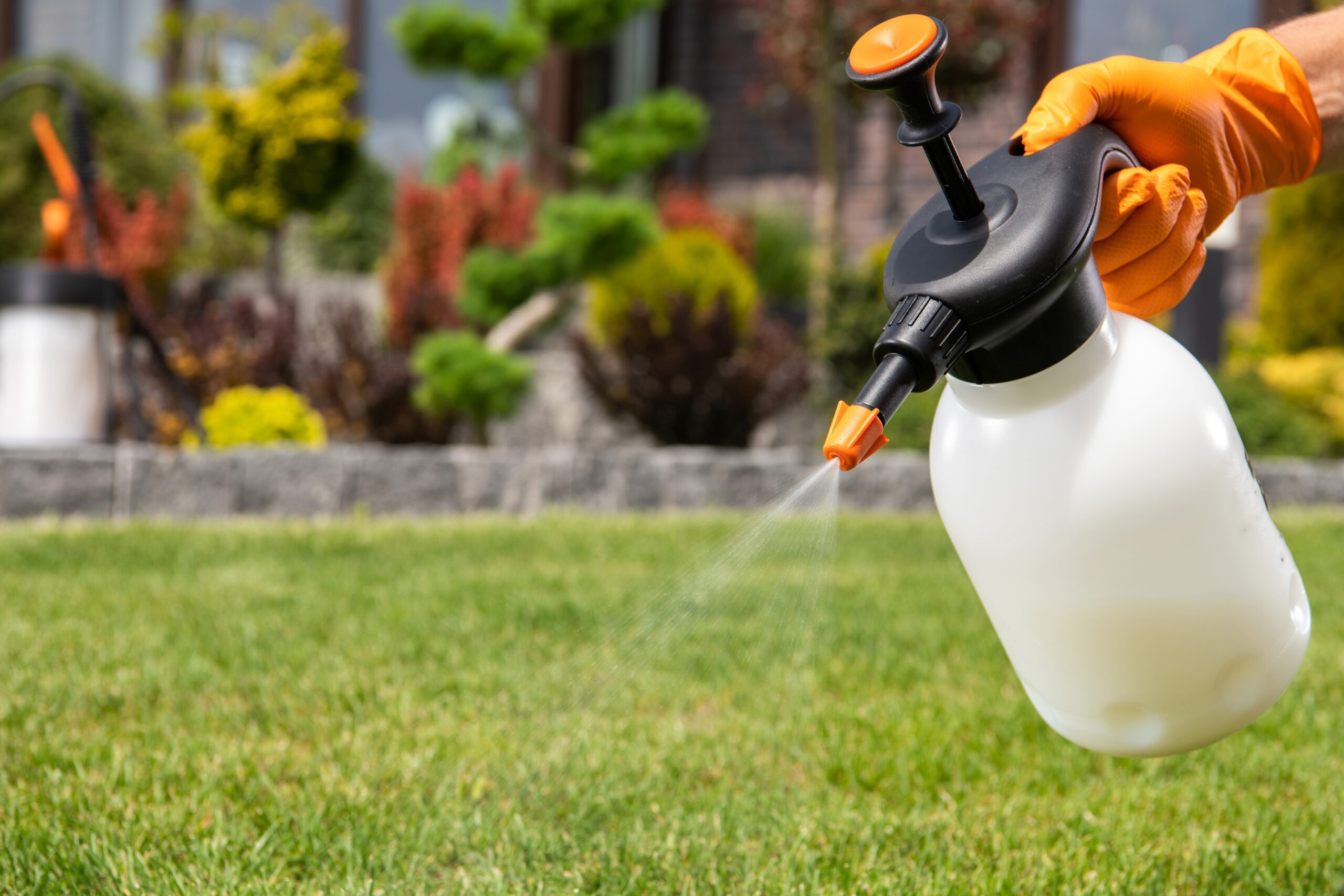
Avoid Harmful Lawn Treatments
Many lawn treatments aren’t pet-friendly, especially weed killers and feeds applied incorrectly.
Always check product labels and keep pets off treated areas for the recommended time. Better still, focus on natural lawn care practices such as aeration, correct mowing, and soil improvement — all of which support a healthier lawn without added risk.
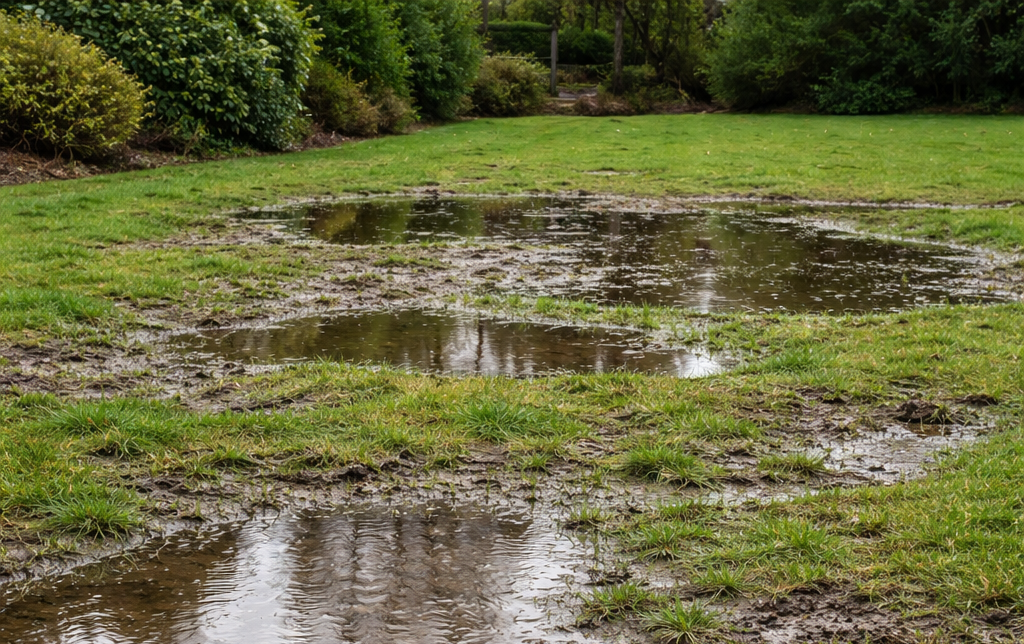
Improve Drainage to Reduce Mud
Dogs and muddy paws often go hand in hand.
Poor drainage leads to waterlogged soil, which quickly turns to mud under foot (or paw). Aerating compacted areas and improving soil structure with quality topsoil can dramatically reduce muddy patches and lawn damage.
Final Thought
A pet-friendly lawn doesn’t need to be perfect, it needs to be practical. By choosing the right grass, maintaining healthy soil, and accepting a little wear and tear, you can enjoy a lawn that works for both you and your dog.
At TurfWorld, this advice isn’t just theoretical. Our team are avid dog owners, with several energetic Labradors regularly putting our own lawns to the test. That hands-on experience gives us a genuine understanding of the challenges pet owners face and how to create lawns that stand up to real life, muddy paws and all.
Healthy grass, happy pets, and far less frustration.
Need materials for your lawn?
Order fresh turf and landscaping essentials
Shop TurfWorld products online for delivery or collection, or call our experienced team for practical advice.