
When most people think about creating a new lawn, they picture warm spring days or long, sunny summer evenings. It’s a common belief that turf can only be laid when the weather is mild — but this is one of the biggest misconceptions in UK gardening. In reality, winter is not only a suitable time to lay turf… it’s often one of the best times of the entire year.
Throughout the winter months, the soil across much of the UK remains warm enough to support strong and steady root development, even when the air temperature feels cold. Combine this with higher natural rainfall, reduced evaporation, and minimal heat stress, and you get ideal conditions for new turf to settle in comfortably.
For homeowners, landscapers, and property developers working to tight schedules, winter presents a golden opportunity: less competition for supplies, fewer weeds, less watering, and a fully established, lush lawn ready by early spring. While others wait for the “right season,” you can give your garden or project a head start — transforming bare or tired ground into a fresh green space with far less effort than you might expect.
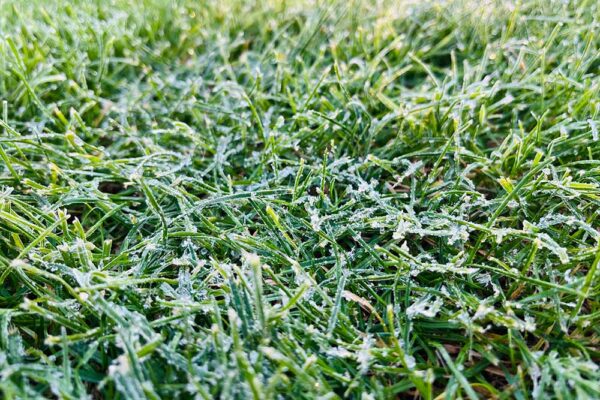
Winter turfing is one of the UK’s most underrated landscaping secrets. And once you understand why it works so well, you’ll never feel the need to wait until spring again.
Why Winter Turfing Works: The Science Behind It
Most people assume turf stops growing in winter, but this isn’t true — especially in the UK climate. While grass growth above the surface slows down in cold weather, what’s happening beneath the soil is far more important. Winter provides a unique combination of soil conditions that actually encourage stronger root development and reduce stress on newly laid turf.
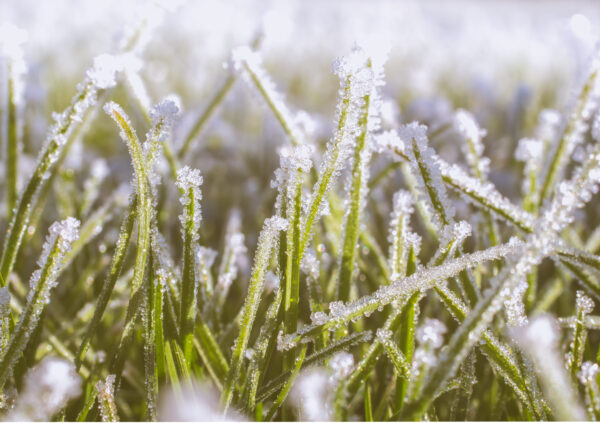
Soil stays warmer than you think!
Even during frosty mornings, the soil beneath the surface remains noticeably warmer than the air. In much of the UK, soil temperatures rarely drop below 5°C, and this is the key threshold required for grass roots to continue growing.
Grass roots don’t rely on warm air, they rely on warm ground.
This means even though the grass above the soil level may look like it has not grown or is dormant, the root system still grows on the hunt for nutrients.
Newly laid turf can still
• Develop new roots
• Bind itself to the soil
• Establish a strong sub-surface structure ready for spring.
This allows the grass to establish in time for the warmer weather ensuring your lawn is well-rooted in spring and ready to flourish.
Less Competition from Weeds
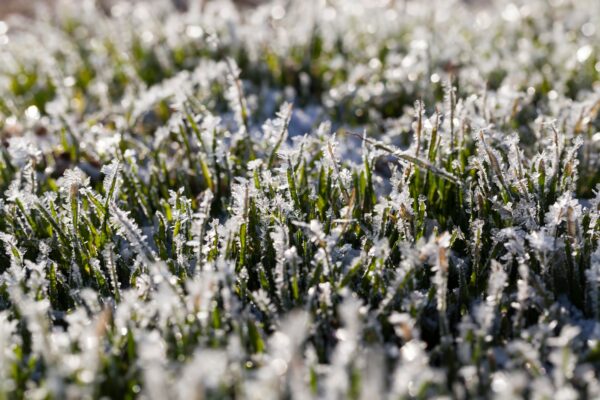
During the cooler months, we see a lot less activity from weed species. Most common lawn weeds including, dandelions, clover, plantin & chickweed are far less agressive and slower to germinate in colder conditions.
Giving your turf the competitive advantage to establish stronger and stunt weed growth. This has the added benefit of reducing the need for herbicides, physical weed removal and leads to turf edges knitting together almost seemlessly.
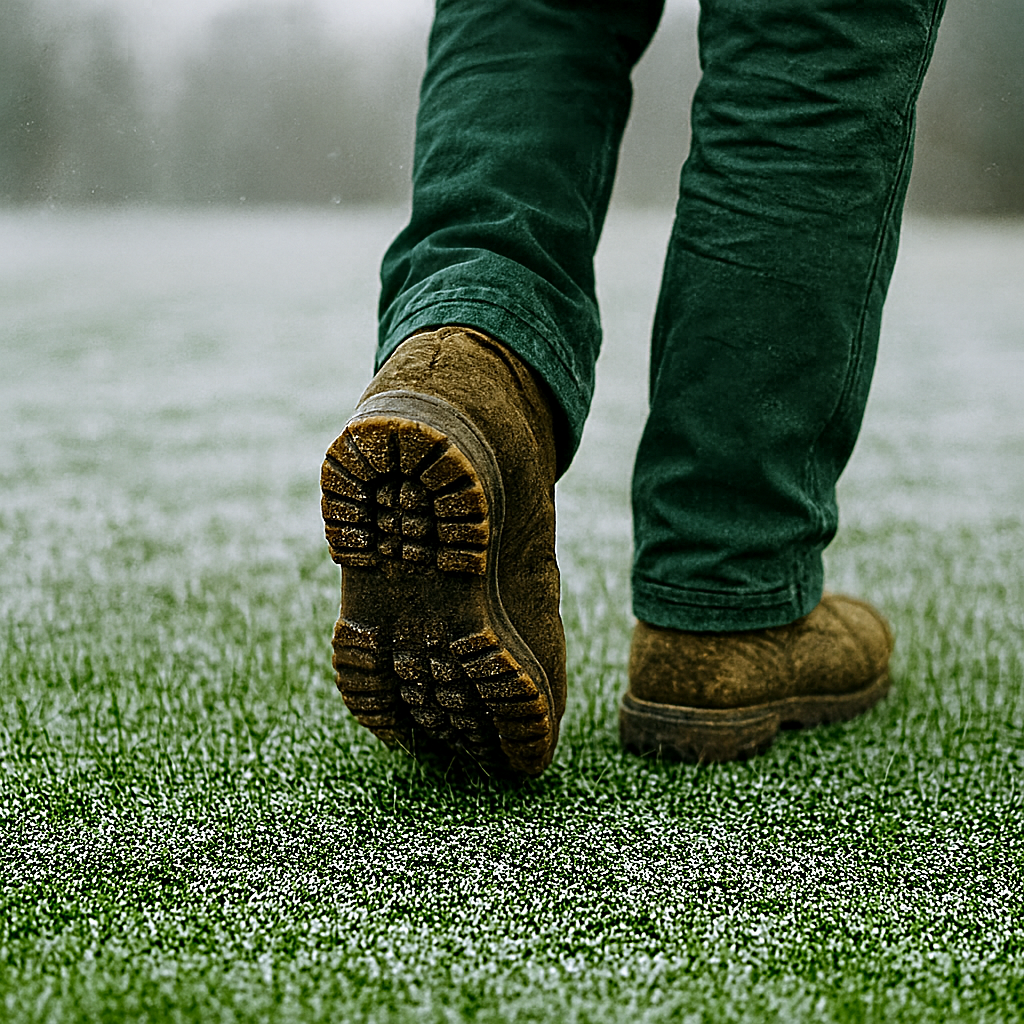
Lower foot traffic allows turf to settle naturally.
Garden usage naturally declines during winter. People spend less time outdoors, pets roam less, and there is less footfall overall. This lack of disturbance allows the turf to settle and root with minimal disruption.
During summer, it’s easy to accidentally damage freshly installed turf by walking on it too soon. Winter solves this problem naturally.
Winter Turfing, Professionally Approved.
Commercial landscapers and turf suppliers often work year-round, and winter is one of their busiest seasons. Housing developments, sports pitches, and commercial grounds are routinely turfed in cold weather because professionals understand the biological advantages.
By laying turf in winter, you’re adopting the same efficient, science-backed approach the landscaping industry uses on major projects.
Key Benefits of Laying Turf in Winter
There are many advantages for laying turf in winter. For some landscapers it’s preferred as the aftercare requirements are greatly reduced. Here’s a few areas where laying turf in winter really benefits!
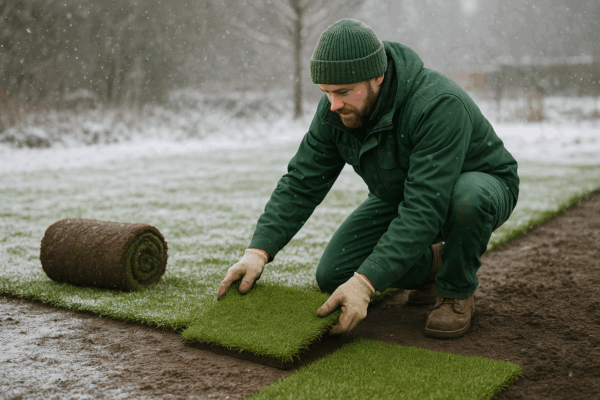
Faster Establishment
Your new turf won’t need the constant watering required in summer. Natural rainfall supports steady root growth.
Lower Maintenance
Less mowing and minimal aftercare — winter growth is slower, making it easier for busy homeowners and landscapers.
Less Competition from Weeds
Weeds are less active in winter, giving your new lawn time to knit together without strong competition.
Instant Transformation
Don’t wait until spring for a garden refresh — winter turfing gives you a ready-made lawn when you need it most.
Ideal for Project Deadlines
For landscapers, builders and developers, winter turfing allows projects to stay on schedule without waiting for warmer weather.
Are There Any Downsides? What to Watch Out For
While winter is an excellent time to lay turf, there are a few practical considerations to keep in mind. None of these are dealbreakers, they simply help ensure you get the best possible results.

Frost & Snow: Timing Is Everything
You shouldn’t lay turf directly onto frozen ground, as the soil structure becomes solid and prevents proper root contact. The good news? In the UK, prolonged frozen ground is rare.
If you wake up to a frosty morning:
-
Wait until late morning or early afternoon, the ground usually thaws.
-
If snow is present, simply wait for it to melt.
-
A short cold snap won’t harm turf already laid; it will just pause rooting until temperatures rise again.
Once the soil softens, you can continue laying turf safely.
Very Wet, Waterlogged Soil
Excessively boggy areas can be a problem in any season, not just winter. If your garden is holding water after heavy rain, it’s worth addressing this before laying turf.
Options include:
-
Rotavating in fresh screened topsoil
-
Improving drainage with sand/topsoil blends
-
Levelling out depressions where water collects
A firm-but-moist soil base is ideal — soggy ground can hinder root oxygenation.
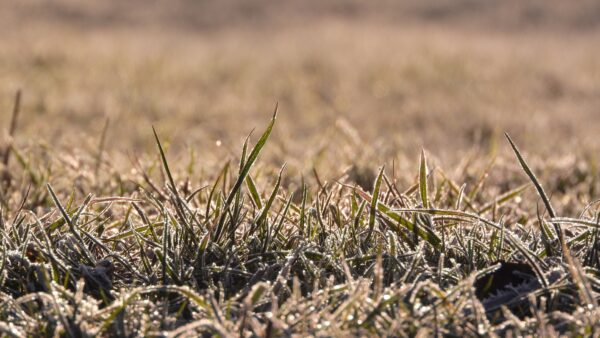
Slower Root Development
Turf will root in winter, but not at the same speed you’d see in spring. This isn’t a flaw — it simply means the lawn needs to be treated gently for a little longer.
Expect:
-
A longer “settling in” period
-
Slower growth above the surface
-
Mowing to be rare or unnecessary
By early spring, the lawn typically knits together fully and begins thriving.
Avoiding Heavy Use Too Early
Because the lawn is in its delicate establishment phase, it’s best to minimise foot traffic.
In winter this is naturally easier because:
-
Gardens are used less
-
Pets spend less time on the lawn
-
Children don’t play in the garden as much
This low usage helps the turf root cleanly and evenly.
Preparing Your Garden for Winter Turf Installation
Good preparation is the key to a long-lasting, healthy lawn — and winter is no exception. Although the cooler weather works in your favour, taking a little time to get the groundwork right will ensure your turf establishes quickly and evenly.
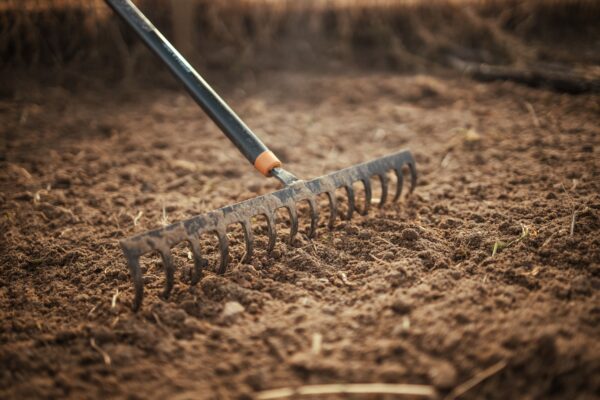
- Clear the Area Thoroughly
- Improve The Soil With Screened Topsoil
- Shape, Level & Firm the Ground
- Lay the turf promptly
- Finish with a Light Roll
Looking After Newly Laid Turf in Winter
Looking after newly laid turf in winter is surprisingly simple. Thanks to cooler temperatures and natural rainfall, your new lawn usually requires very little intervention. The most important thing is to avoid walking on the turf while it’s establishing, especially during frosty spells when the grass is more delicate. Aside from that, winter does most of the hard work for you and you can find more detailed seasonal advice on our dedicated winter lawn-care page.
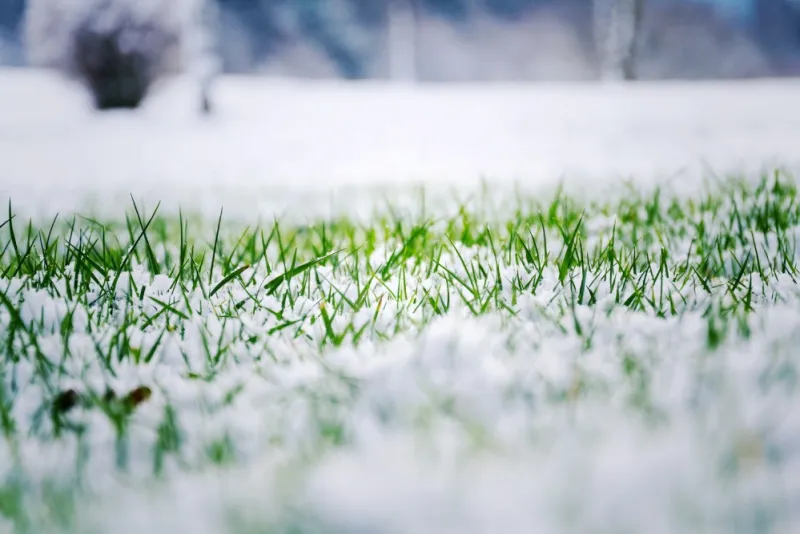
Freshly laid winter turf needs minimal maintenance: keep off the grass where possible and let the weather provide the moisture. As soon as spring arrives, root growth accelerates and your lawn will thicken beautifully.
My Grounds Is Frozen – Can I Still Lay Turf On It?
We do not recommend laying turf on frozen ground. Your turf roots will not establish and they will be starved of any nutrients your soil has to offer.
How long will it take before I can walk on my new lawn?
In winter, it’s best to avoid walking on newly laid turf for 3–6 weeks, depending on soil temperature and moisture levels. Turf will still root during winter, but the process is slower than in spring or summer. A good rule of thumb is to wait until the turf feels firmly anchored when you gently lift a corner — if it resists, the roots have taken hold and light foot traffic is fine.
For most winter installations, by early spring your lawn will be fully rooted and ready for normal use.
Can I let my pet on the lawn after its been laid?
We do not recommend laying turf on frozen ground. Your turf roots will not establish and they will be starved of any nutrients your soil has to offer.
When should I first mow my lawn?
It’s best to keep pets off newly laid turf during winter while the roots are establishing. Cold weather slows down the knitting-in process, so paw traffic can create dents, shift slabs, or damage delicate new shoots. As a general guide, try to keep pets off the lawn for 3–6 weeks, or until the turf feels firmly rooted when you gently test a corner.
Once the turf has anchored and the ground is no longer soft or muddy, light pet use is absolutely fine. By early spring, your lawn will be strong enough for normal play and activity.
Winter Might Be the Best Season to Lay Turf
Winter is often overlooked as a turf-laying season, but the science and practical benefits make it one of the most effective times of year to create a new lawn. Cooler temperatures, steady ground warmth, and reliable natural moisture all work together to support root development with far less effort than in the warmer months. While weed growth slows and garden usage drops, your new turf gets the quiet, stable conditions it needs to settle in and establish strong foundations.
The result? By the time spring arrives — when most people are only just starting to think about improving their garden — your lawn is already rooted, green, and ready to enjoy. Winter turfing saves time, reduces maintenance, keeps projects on schedule, and offers excellent results for both homeowners and professionals. Once you understand the genuine advantages, it’s easy to see why winter may not just be a good time to lay turf… it might actually be the best time of all.
Need materials for your lawn?
Order fresh turf and landscaping essentials
Shop TurfWorld products online for delivery or collection, or call our experienced team for practical advice.